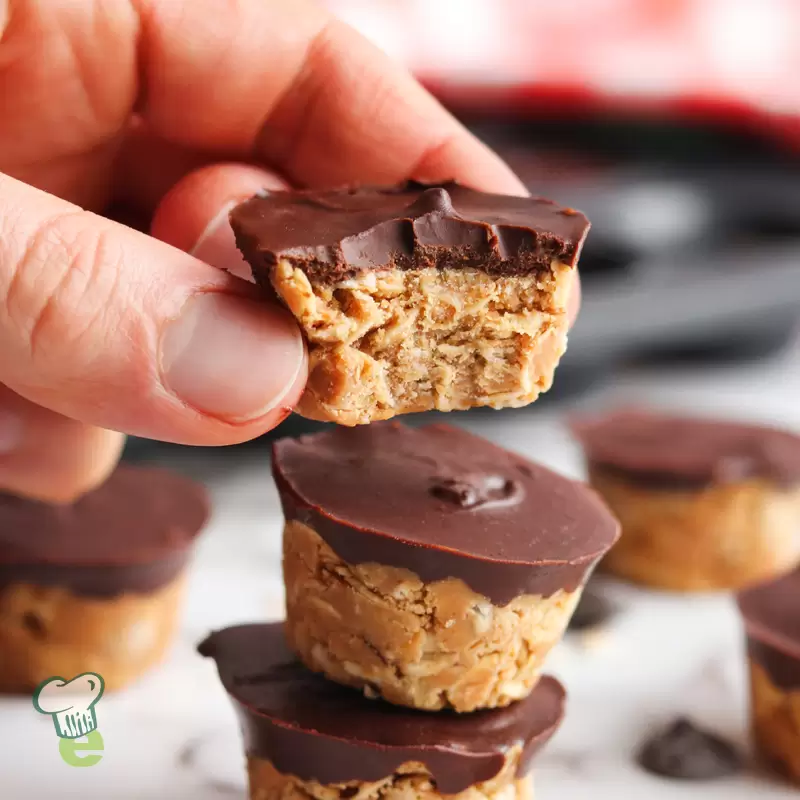
Ditch Unhealthy Candy: Make Clean Peanut Butter Cups
In a world overflowing with highly processed snacks, the allure of a classic peanut butter cup often proves irresistible. That creamy, sweet, and salty combination is a true comfort. However, the store-bought versions, despite their widespread popularity, come laden with ingredients that do little to nourish our bodies. What if you could capture that same beloved flavor profile while ditching the questionable additives? Imagine a treat so simple, so pure, and so utterly delicious that it transforms your perception of dessert. Welcome to the world of homemade healthy peanut butter cups – a guilt-free indulgence that’s not only incredibly satisfying but also remarkably easy to create.
For years, people have loved the iconic pairing of chocolate and peanut butter. But for those committed to a cleaner eating lifestyle, the traditional candy aisle has been a minefield of refined sugars, artificial flavors, and unhealthy fats. The good news? You no longer have to sacrifice taste for health. This article will guide you through the compelling reasons to ditch the unhealthy candy and empower you to craft your own clean, wholesome, and truly delightful peanut butter cups right in your own kitchen.
The Hidden Truth About Store-Bought Candy
Before we dive into the delicious world of homemade treats, let’s pull back the curtain on what often lurks in those brightly packaged, store-bought peanut butter cups. A quick glance at the ingredient list of most mainstream candy bars reveals a concerning truth. They are, quite typically, a poster child for the Standard American Diet (S.A.D.), packed with components that offer little nutritional value and can even detract from your well-being.
Common culprits include:
- GMO Ingredients: Soy lecithin, often derived from genetically modified soybeans, is a ubiquitous emulsifier found in many candies. While generally recognized as safe, concerns about GMOs and their long-term health effects lead many to avoid them.
- Refined Sugars and Salts: High fructose corn syrup, sugar, dextrose, and highly processed salts are present in significant quantities. These contribute to blood sugar spikes, inflammation, and offer empty calories that do not nourish the body.
- Preservatives and Artificial Flavors: To extend shelf life and enhance taste, store-bought candies often contain a cocktail of artificial preservatives and flavors that your body simply doesn't recognize as real food.
- Dairy and Allergens: Many traditional peanut butter cups contain dairy, making them unsuitable for those with lactose intolerance or a vegan diet. They also often contain gluten, which is problematic for individuals with celiac disease or gluten sensitivity.
- Pesticides in Non-Organic Peanut Butter: A critical, yet often overlooked, fact is that non-organic peanuts can be heavily sprayed with pesticides. Some estimates suggest up to eight different pesticides can be found in conventionally grown peanuts, residues of which can end up in your finished product.
These ingredients don't just add calories; they often provide no fiber, vitamins, or minerals, leaving your body feeling unsatisfied and potentially craving more. By choosing to make your own healthy peanut butter cups, you gain complete control over every single ingredient, ensuring a treat that truly fuels and satisfies.
Why Go Homemade? The Benefits of Clean Eating
The beauty of making your own healthy peanut butter cups extends far beyond simply avoiding undesirable ingredients. It's about embracing a philosophy of clean eating that prioritizes whole, real foods that your body can recognize, utilize, and thrive on. This homemade version isn't just a substitute; it's a significant upgrade for your health and palate.
Here’s why embracing these DIY treats is a game-changer:
- Real Food Ingredients: We're talking about ingredients you can pronounce and understand – natural nut butter, unrefined sweeteners, pure cocoa. Your body processes these ingredients efficiently, turning them into usable energy rather than storing them as excess.
- Organic and Pure: Opting for organic ingredients, especially organic peanut butter, ensures you're bypassing the pesticides and harmful chemicals associated with conventional farming. This significantly reduces your exposure to toxins and supports a healthier ecosystem.
- Dietary Inclusivity: These healthier peanut butter cups are naturally vegan, gluten-free, and dairy-free, making them suitable for a wide array of dietary needs and preferences. With clever substitutions, they can also be made keto and low-sugar, providing a sweet option without the blood sugar spikes.
- Nourishing and Satisfying: Unlike empty-calorie store-bought candies, homemade versions, especially when made with healthy fats from coconut oil and natural nut butters, offer sustained energy and true satisfaction. They hit that sweet spot after a meal without the subsequent crash, helping you manage cravings more effectively.
- Quick and Easy Creation: One of the most compelling benefits is how incredibly simple and fast these treats come together. Many recipes boast completion in under an hour, meaning you're never far from a satisfying, healthy snack. For those times you need a quick dessert, check out how easy it is to make Rich & Delish Healthy Peanut Butter Cups in Under an Hour.
Ultimately, choosing homemade healthy peanut butter cups is a conscious decision to nourish your body while indulging your taste buds – a truly win-win scenario.
Key Ingredients for Your Healthy Peanut Butter Cups
The magic of these healthy peanut butter cups lies in their simplicity and the quality of their few ingredients. Forget the lengthy lists of unpronounceable chemicals; here, less truly is more. While recipes can vary slightly, most successful healthy peanut butter cups rely on a core of 3 to 6 foundational components.
- All-Natural Peanut Butter (or Nut Butter): This is the heart of your cup. Crucially, choose a brand with only one or two ingredients: peanuts, and perhaps a touch of salt. Avoid those with added sugars, hydrogenated oils, or emulsifiers. If peanuts aren't your preference or you have an allergy, feel free to substitute with any drippy nut butter like almond or cashew butter. The creaminess is key!
- Unrefined Sweetener: Ditch the refined white sugar. Natural alternatives like pure maple syrup or raw honey provide a wonderful depth of sweetness without the harsh impact of processed sugars. They are generally an easy 1:1 swap, so pick your favorite!
- Coconut Oil: This ingredient is a true MVP, especially if you're aiming for that "freezer fudge" texture. Coconut oil solidifies beautifully when chilled, giving your cups structure and a rich, melt-in-your-mouth quality. It also contributes healthy medium-chain triglycerides (MCTs). Due to its unique properties, it's generally not recommended to swap coconut oil for other oils in this type of recipe, as they won't provide the same firming effect.
- Unsweetened Cocoa Powder: For the chocolate shell, unsweetened cocoa powder is essential. It provides that deep, rich chocolate flavor without any added sugar, allowing you to control the sweetness level with your chosen natural sweetener.
- Himalayan Sea Salt: Don't skip the salt! A pinch of high-quality sea salt is transformative. It doesn't just add a salty note; it masterfully enhances and balances the flavors of both the peanut butter and chocolate, making them sing.
- Vanilla Extract (Optional but Recommended): A touch of pure vanilla extract is like the cherry on top. It rounds out the flavor profile, adding a subtle warmth and aromatic complexity that elevates the entire experience.
By carefully selecting these few, high-quality ingredients, you're not just making a treat; you're crafting a nutritious and incredibly satisfying dessert that truly tastes like the real deal, only better for you.
Crafting Your Clean Peanut Butter Cups: Tips for Success
Making your own healthy peanut butter cups is a straightforward process, but a few insider tips can ensure your homemade delights are picture-perfect and incredibly delicious every time. The goal is to achieve that harmonious balance of creamy peanut butter filling and snappy chocolate shell, all without the fuss.
Essential Steps for Perfect Peanut Butter Cups:
- Prepare Your Molds: Silicone mini-muffin liners or paper cupcake liners (miniature size works best) are your best friends. These make it incredibly easy to remove your finished cups without any sticking.
- The Chocolate Base: Typically, the chocolate shell is made by gently melting coconut oil with cocoa powder, your chosen natural sweetener (maple syrup/honey), and a pinch of salt. Some recipes may also include vanilla. Ensure the mixture is smooth and well combined.
- Layering is Key: Pour a small amount of the chocolate mixture into the bottom of each liner, just enough to cover the base. Pop them into the freezer for 5-10 minutes to set. This creates a solid base for your peanut butter filling.
- Crafting the Peanut Butter Filling: While your chocolate base sets, combine your natural peanut butter with a little more natural sweetener and a touch of salt. Some recipes might also add a tiny bit more coconut oil to ensure a creamy, pliable texture. Roll small portions of this mixture into discs or balls, slightly smaller than the diameter of your cups.
- Assemble and Top: Once the chocolate base is firm, place a peanut butter disc on top of each. Then, pour the remaining chocolate mixture over the peanut butter layer, ensuring it's completely covered. You might need to gently tap the muffin tin on the counter to level the chocolate.
- Final Chill: Return the cups to the freezer for at least 20-30 minutes, or until completely firm. This is crucial for their structure.
Pro Tips for the Best Results:
- Temperature Control for Chocolate: When melting your chocolate mixture, do so gently over low heat or in a double boiler. Overheating can make the chocolate seize or become grainy. If your coconut oil is very warm, let it cool slightly before combining with other ingredients to prevent separation.
- Peanut Butter Consistency Matters: For the filling, a thicker, drier natural peanut butter works best to create firm discs that won't melt too quickly. If your peanut butter is very runny, you might need to add a small amount of coconut flour or almond flour to thicken it slightly, or simply chill the peanut butter mixture briefly before shaping.
- Don't Skip the Salt: As mentioned, the salt is critical. It cuts through the richness and enhances both the chocolate and peanut butter flavors, creating that addictive sweet and salty dynamic.
- Storage is Simple: These healthy peanut butter cups are best stored in an airtight container in the freezer. They hold their shape perfectly and, wonderfully, they don't even need to thaw! You can enjoy them straight from the freezer for a delightful, firm chew. They also make an excellent healthy freezer fudge!
- Customization is Encouraged: Feel free to experiment! Add a pinch of cinnamon or a dash of chili powder to your chocolate for an extra kick. Sprinkle flaky sea salt on top of the finished cups for a gourmet touch. The possibilities are endless.
Conclusion
Stepping away from processed, unhealthy candy doesn't mean giving up on your favorite sweet treats. In fact, it opens up a world of delicious, nourishing possibilities. Making your own healthy peanut butter cups is a simple yet profound act of self-care, allowing you to enjoy an iconic flavor without compromise. With just a handful of clean, wholesome ingredients and minimal effort, you can create a treat that satisfies cravings, supports your well-being, and tastes absolutely incredible. So go ahead, gather your ingredients, follow these tips, and embark on a journey to a healthier, happier sweet tooth. Your body (and your taste buds) will thank you!
